
What is a Web Application Firewall:
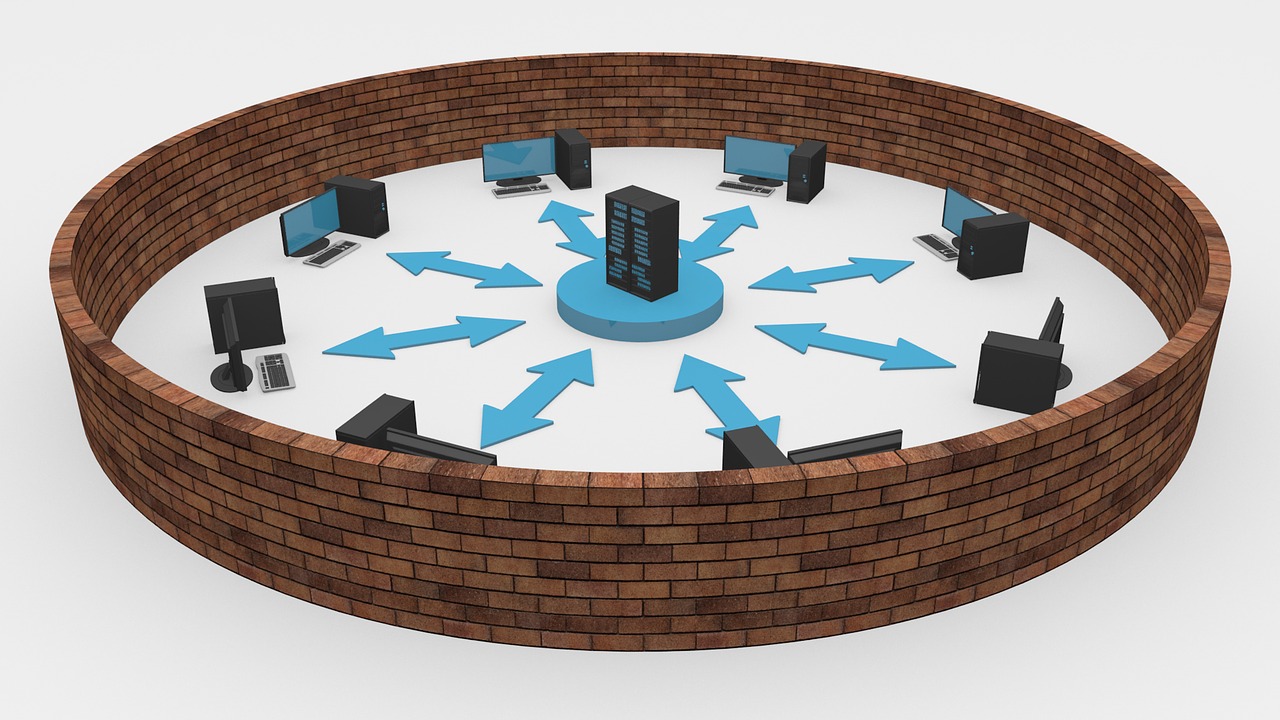
Web application firewalls (WAF) are a certain type of program firewall which not only blocks, modifies, and monitors HTTP traffic from and to a web application server, but also performs application isolation. Application firewalls are designed to protect applications, their files, and other resources from being attacked or tampered with during an attack. It is usually used as part of the network security suite and can prevent network attacks on sensitive data or systems. The goal of a firewall is to prevent unauthorized access from the outside world and to limit or control access from software components inside a system.

A web application firewall may be run as a web server or independently as a virtual private server (VPS). A software firewall is also known as an appliance and provides real-time protection against a variety of threats. Some of these include SQL injections, Denial of Service attacks, intrusion attacks, buffer overflow attacks, and application virus attacks. These applications are specially designed to work in the context of a multi-user system or an enterprise network and to restrict access to particular ports or settings on a hardware device.
A web application firewall can prevent many different problems in your network, but it cannot guarantee total protection. This is why it is important that you choose a company that can provide industry-leading technical support and that has an experienced team of professionals that can solve any problems that you face. This is especially true if you are the victim of a Web exploited attack. When you use a web application firewall, you can rest assured that you will be protected against attacks that can lead to data corruption, system instability, or data loss. You can also be sure that the application layer will allow for the efficient management of firewalls to ensure that it can properly maintain portability and the integrity of networks. If you are already being targeted by malware and your system is vulnerable you can use a free website malware scanner offered by a free website scan to remove and patch your whole system in order to prevent it from attackers.
How Web Application Firewall(W.A.F) Works!!!
An Online Protection Center (OPC) is a security appliance used by web servers to detect and deny access to selected websites or computer programs. A Web Application Firewall (OWAF) is an integral part of many modern Intranet applications and portals. An OPC is also referred to as a Web filtering appliance, an online control panel, or an online authentication gateway. This type of firewall can be used to prevent hackers from gaining unauthorized access to a website’s server, as well as preventing unauthorized access to software that runs on a user’s computer.
A Web Application Firewall is designed to stop malicious traffic from attempting to exploit security vulnerabilities in a web application or to block all traffic from a specific IP address. It is designed to perform the majority of website security functions, such as controlling e-mail, processing incoming data, determining whether or not a given application is trusted, and generating a variety of different types of digital signatures. It filters headers of every outgoing packet and performs additional checks based on the contents of those packets. When a malicious actor wants to send an attack message, they send it over the Internet while using a spoofed Internet protocol (IP) address. When the application detects this message, it checks the computer’s security configuration and executes the program or script that they want to execute under that set of circumstances.
An intruder may send a spoofed message to make it look like the legitimate application he wants to run has already been installed. When a WAN application detects this message, it scans the entire computer system for any attacks and prints a report of all attacks found. It then compares these attacks with the parameters defined for the application and reports the result to the administrator. If one of the parameters causes the application to be denied, the attacker is warned before continuing. Most security solutions will detect and report to the administrator that a previously undetected security vulnerability has been found. Administrators can then apply appropriate fixes or allow the software to run with default settings to try to fix the vulnerability.

The majority of common applications use a “helper” program, which intercepts and examines every web request before it is allowed to leave the client’s computer. Any security-related vulnerability that they find during this scanning can be used to gain unauthorized access to the computer’s most sensitive data and information. The most common uses of this kind of attack are two-step authentication, where attackers trick the web server into believing they are authorized to access a particular resource by using two different ways to get to the administrative interface, and spear phishing, where attackers send fake security alerts to target computers in an effort to obtain personal and confidential information. Even though many companies use WAN application firewall to protect their networks from these attacks, many of them fail to recognize the simple logic employed by many of the common applications and make the mistakes that attackers are skilled at.
Many of the security vendors that sell WAN application firewalls claim that they can detect malicious traffic, but many do not properly recognize the protocols being used by many popular, as well as common web applications. One common example of a protocol that many vendors assume will detect malicious traffic is TCP/IP. In fact, a recent blog post by Cisco developers pointed out several reasons why such a policy may not be sufficient to prevent attacks on a company network. Some of the attacks they identified have been carried out using the TCP protocol, which is not sensitive to timing. The most common attack is spoofing, which is using a computer message to pretend to be an authorized user on a system when it is not, in order to gain access to sensitive resources or launch attacks.
Another security vendor that sells WAN application firewalls claims that it can protect against “cyber-espionage” and “spambots”. Cyber espionage refers to the use of computer attacks to collect confidential information or to gather sensitive data for malicious purposes. While it is possible to prevent attacks from attackers that use cyberspace-based tools, it is nearly impossible to stop all attempts to gain access to personal data from outside sources. While a WAN filter can prevent some types of cyber espionage, it is essentially impossible to prevent all of the attacks that are carried out every day on the Internet.
Many of the vendors that sell web application firewalls will claim that they have a solution for stopping “cyber-espionage”, but this is often misleading. Many companies that sell a WAN application firewall and web proxy do not have a comprehensive solution for preventing attacks from hackers, virus writers, and other bad guys who want to attack your network. They often have a single layer of defense, a WAN filter, which will prevent some attacks but won’t prevent others. If you are interested in buying a WAN security application, make sure that you get one that has more than one layer of security.
Some of the more complete web application firewalls have multiple layers of security. The real-time protection that you get with a real-time WAN security solution goes beyond filtering requests to standard websites and stopping attacks from outside sources. Real-time firewalls also scan for suspicious behavior and report them to network administrators before the attacks occur. Some of the more advanced products have a feature that blocks suspicious traffic coming from servers in other countries. When you are shopping for a real-time protection solution, you should find a company that offers more than just a simple web filtering solution.
What is the AWS firewall :
What is an AWS web application firewall? A firewall is basically a software device or program that controls traffic between two or more networks. Traffic that is allowed to pass through a firewall will be restricted to those systems and networks that are authorized. The purpose of an AWS web application firewall is to allow traffic to pass through that is restricted or dangerous.
In a traditional cloud environment, Amazon Web Services provides its customers with two types of services: connectivity and application. Connectivity refers to web applications that can be accessed from a client without going through an intermediary like an AWS web application firewall. Applications are real-time applications that need to be loaded onto web pages and then executed within the context of an entire web server. Both forms of services are useful for application development and deployment. However, both forms of services are vulnerable to attacks from malicious attackers who want to send viruses, malware, and even redirect the user’s web browser to another site.

The best way to protect an application layer is to deploy an AWS application firewall. Aws application firewall loads rule into the firewall configuration manager and create rules for each application instance. Each application instance gets its own port map and firewall rules. Rules are used to classify dangerous applications and routes the appropriate traffic through the firewall.
There are several approaches to deploying and managing a firewall within an AWS environment. The most straightforward approach is through the use of default rules, which are specified in the AWS management dashboard. In the MSI format, these are mapped as AWS resources. For example, a resource named “AWS-lambda” has a corresponding firewall rule. When an instance requests a URL, the firewall stops the instance on the AWS Lambda network, logs the request, and then responds with an HTTP response that includes a series of XML tags describing the action to be taken.
There are two major benefits of using default rules with as-classic firewalls. First, they allow you to self-install the AWS components and stop malicious attacks without requiring any technical knowledge on your part. They also prevent third-party libraries from loading by preventing their code from accessing the correct IP address. By preventing third-party code from loading, you prevent your application from loading library calls that it needs to perform normal operations. The second benefit is that default rules can be configured per application, per AWS region, or globally.
In order to take advantage of this feature of the as-classic era, you must configure your web application firewall to allow traffic from any devices that do not belong to the protected area. The feature basically prevents “phishing” attacks – hackers send fake requests to misguide your web browser into viewing fraudulent websites. For example, if a hacker sends you a request to open a credit card account in your name, you are tricked into revealing your credit card information. However, if you prevent suspicious or malicious network connections, you are safe from these types of attacks.
WAF SECURITY ARCHITECTURE :
A web application firewall (also known as WAF) offers robust web security for applications from multiple vulnerabilities, including SQL injection, cross-site scripting (XSS), and HTTP traffic before it reaches the application server. In layman’s terms, WAF blocks “bad” web content from reaching your application, while protecting “good” web content. An example of a WAF is your ISP’s anti-virus software. Your ISP’s program blocks spam but doesn’t offer any defense against spam from unsolicited senders. Without proper WAF support, your web applications will be open to all kinds of attacks from all kinds of sources.
No matter how robust your firewall protection layer is a weak point in it will allow attackers into your application and server. The most common way these attacks occur is through SQL injection. Because most WAF vendors have extensive documentation on how to avoid common web application attacks, most of these issues are avoidable. Fortunately, today there are several WAF products available that combine advanced security technology with industry-leading WAF capability.
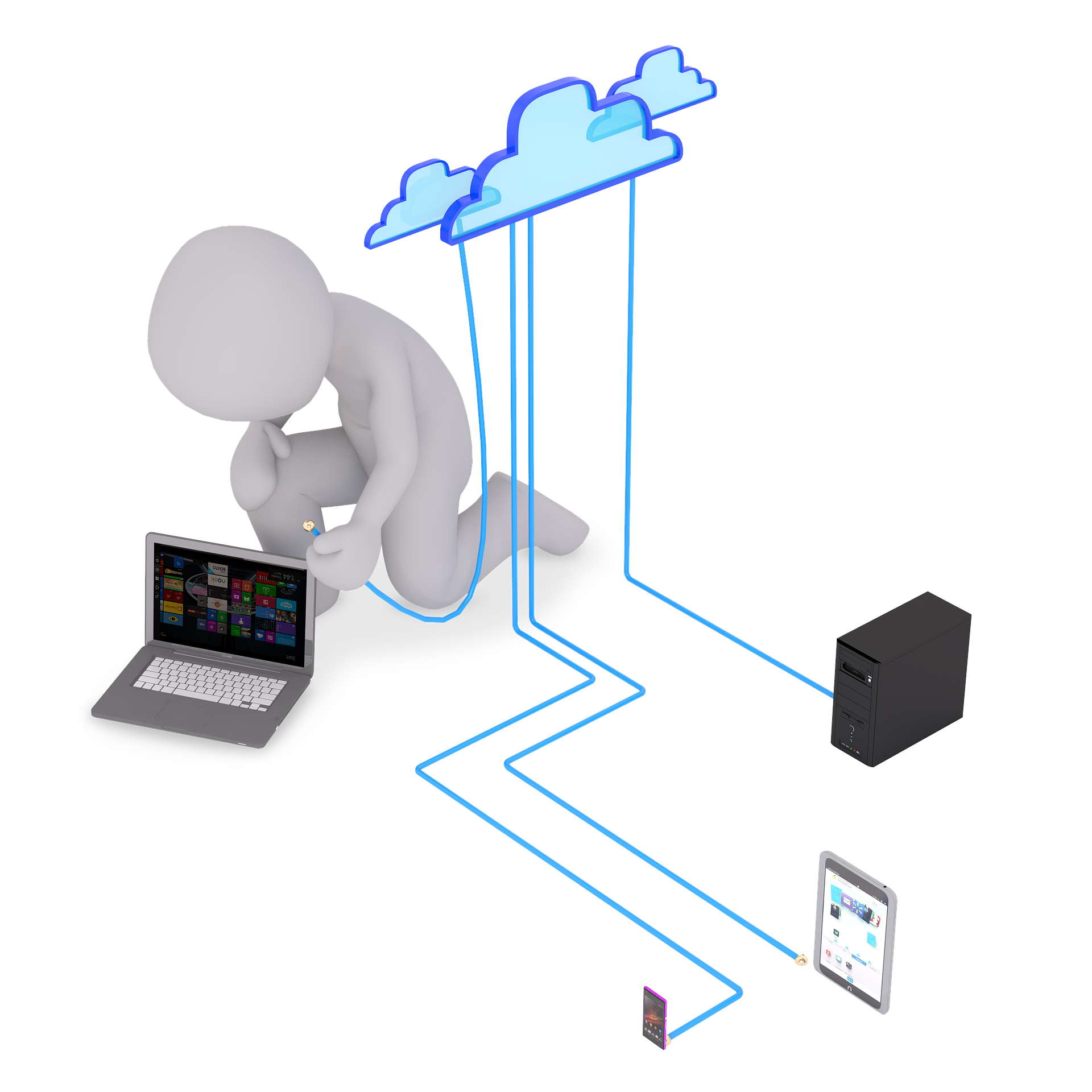
With industry-leading WAF capabilities, cloud WAF services provide end-to-end prevention against all web application attacks. Not only does this provide end-to-end protection against SQL, XSS, and HTTP attacks, but it also prevents data leakage from other vulnerable applications. In short, with cloud waf security architecture, you can rest assured that no other vulnerability can reach your application or server other than those that are blocked by your WAF.
To make it easier to understand how a WAF reduces the risk of web application security, let’s take a look at the definition of a WAF. A WAF is an application layer firewall that not only controls the traffic between your web servers and other applications but more importantly, prevents data from being infiltrated from your application. In short, it acts as a log decoy for hackers. If a hacker can successfully exploit a WAF, they will be unable to gain access to sensitive data within your application or server because it will be “off the shelf” to them.

Today’s most popular open-source WAF products include OWAS, Squidoo Webforce Protect, and Google Web Protect. While these products all share some common features – such as support for content-based URLs, application-level security, multiple authentication options, and content filtering – each product has its own strengths and weaknesses. For example, on the topic of application security, Squidoo Webforce Protects offers both content filtering and application-level security. However, unlike other products, it does not require programming changes to use Squidoo. On the topic of cross-site scripting attacks, Google Web Protects relies heavily on HTTP to transport sensitive information across the internet while keeping the user’s identity safe.
Application servers are usually vulnerable to cross-site scripting attacks because scripts run on the back-end of the application server rather than within it. For example, a WordPress blog’s installation process relies on a series of PHP files that run inside the back-end application server itself. When a visitor clicks on one of those files, the script runs on the client-side and displays a form on the front-end page of the blog. If the blog’s WAF is compromised, a hacker can send the form to a malicious server where the administrator can view and change any information that they want. Therefore, even the simplest application servers can become targets for cross-site scripting. Today, most WAF vendors have WAF firewalls that can block incoming traffic to application servers and only allow WAF-controlled traffic through secure pages on the client-side. If you want to get protected right now, you can get WAF protection offered by Server4Sale just now to make your set-up safe and running.
Benefits of using WAF Security:
A lot of people are not yet aware of the benefits of using WAF or Wireless-accession antivirus and do not have a clue on what a WAF is, how it works, and the various kinds of threats that it can block. However, before you begin to worry about your computer, turn to WAF. Read on to know more.
WAF stands for Wireless Access Prevention. It is a form of Antivirus and Firewall that has been designed to protect computers in a LAN setting. In other words, when your computer is connected to the same network as others in the LAN, WAF will prevent any virus from coming into your network. Basically, it works to protect your network from unauthorized access. Therefore, the system performs anti-virus and firewall functions on the client’s side.
As an administrator, you have the ability to adjust the settings of WAF. Doing so ensures that WAF will block viruses as well as hackers that want to gain access to your network. By default, WAF will be set to block known infectious programs. If you are using a router or other wired device in your home or office, you can simply configure the SSID and DNS settings of your network devices.
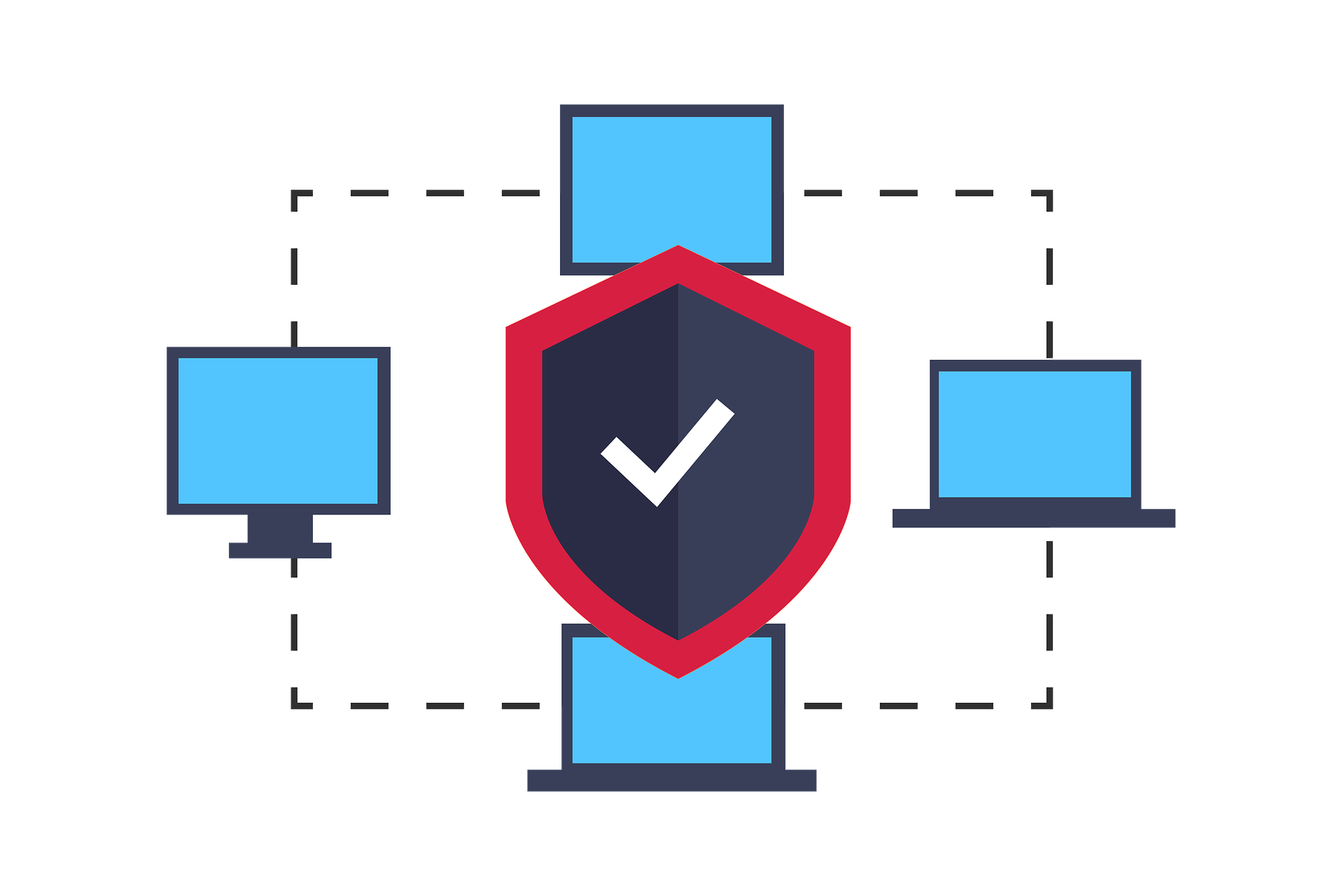
There are times when you have employees who work from home or from the office. If you employ them, you have to ensure that they are using secure means to connect to the company network. This is possible when you use WAF. It will prevent the employees from accessing anything not meant for the company network.
Just imagine having a virus that allows hackers into your network. With this, they can change the configurations to break into your files and folders. Not only this, they can also delete files. In worst cases, they can wipe out all your data. Using WAF, you will be able to detect any virus and stop it before it does damage to your files.WAF has a great feature called Anti Virus Auto Protection. When WAF detects an unknown virus in the system, it will attempt to remove it. However, if there is no such threat detected, it will try to remove applications that were improperly installed. You don’t have to worry about accidentally removing something important. When WAF is run on its own, it performs a deep scan on your system.There are numerous benefits of using WAF. It is easy to implement and easy to use. Unlike other security products, it performs a deep scan. This helps detect threats before they do damage to your files. It is easy to reset the settings too, if ever you feel that your system is not safe anymore.

WAF is very cheap. It costs you less than forty dollars to purchase and activate the product. As a result, it will not affect your monthly budget. If you are having network problems and want to get back into the office without delay, then take a look at WAF Security.
WAF can help protect against phishing attacks. When you enter any confidential data online, you are exposing it to hackers. Most hackers make fake email messages to get access to your bank account or personal information. As a result, your financial or personal information could be compromised. When using WAF, you can identify fake emails and block them. As a result, you stay away from phishing attacks and enjoy uninterrupted protection.
Another great benefit of using WAF is the speed at which it works. It is possible to update the software anytime it is needed. You can also schedule scans that can check for viruses as well as malware in your network. There is no need to restart your computer as the scan takes place on its own.
Another advantage of WAF is that it is highly customizable. You can add your own parameters and rules. It can also notify you by email, text message, or phone call whenever there is a threat in your network. You can also activate and deactivate the feature according to your requirements.
WAF software is available for both home and small business networks. You can choose the one that meets your needs. However, it is always important to purchase genuine WAF products from a recognized vendor.